DAY 2 - 8 May 2026
Grauwzusters Convention Center, Lange Sint-Annastraat 7, Antwerp
Dana Baran (Romania)
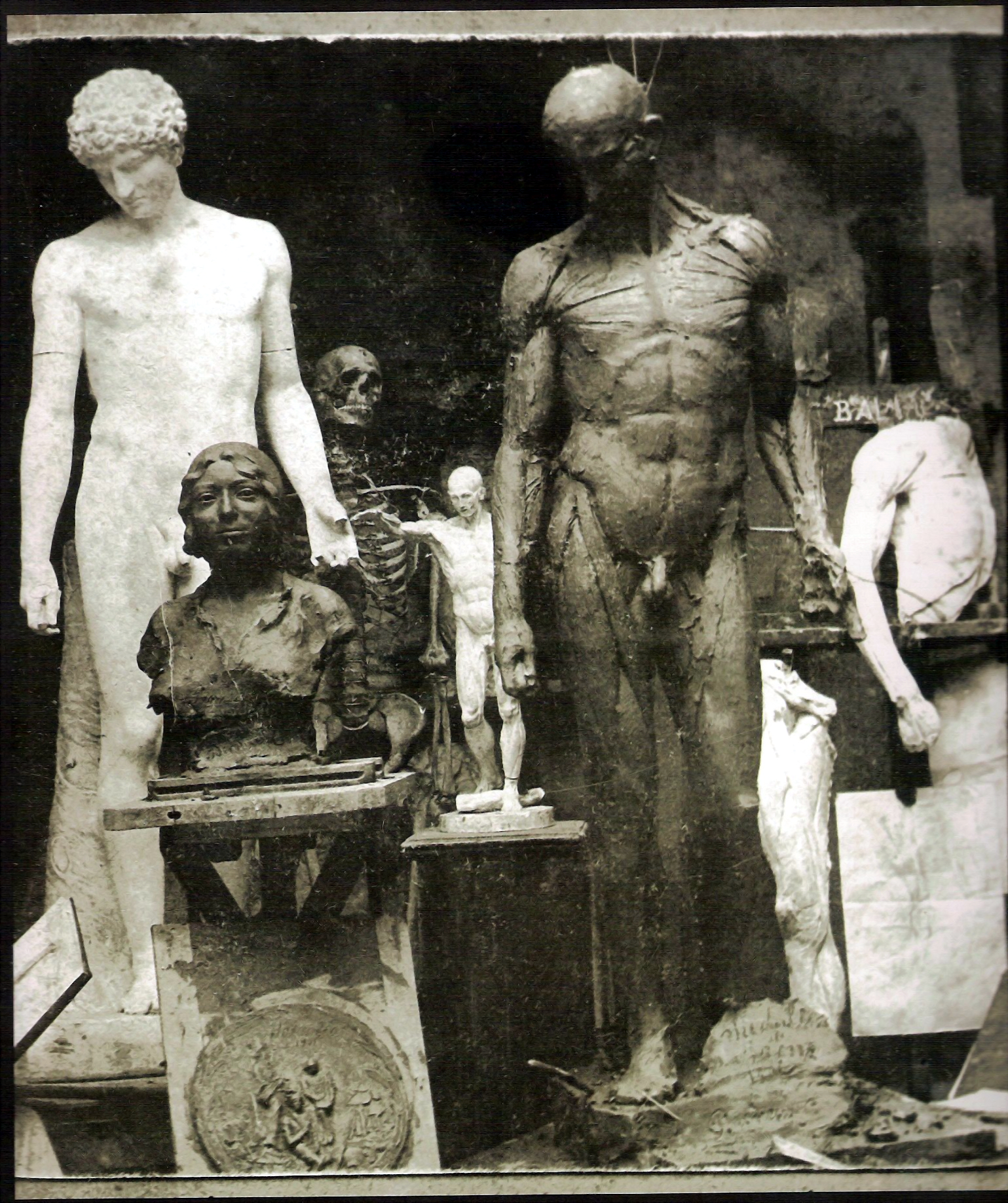
From Human Anatomy to Human Identity in Brancusi’s Work
The Romanian sculptor Constantin Brancusi (1876–1957) studied at the Bucharest Faculty of Arts. In 1901–1902, under the guidance of Professor Dimitrie Gerota, a prominent anatomist and surgeon, he created a remarkable écorché as his graduation work. Working from human cadavers and a copy of the Antinous statue, Brancusi combined anatomical precision with artistic elegance. His écorché, reminiscent of Vesalius’ illustrations, won a bronze medal, and casts of the flayed figure were distributed to art and medical faculties in Romania.
Brancusi’s detailed anatomical studies informed his later artistic evolution. After a brief period working with Rodin in Paris, he developed a unique approach that moved beyond realism. Rather than reproducing fleshly surfaces, he sought to “dematerialise” forms, expressing the inner essence of humans, other living beings, and concepts. His work transfigures body and identity through symbolic, geometric, and minimalistic forms.
Immersed in Parisian avant-garde circles and influenced by figures such as Modigliani, Braque, Satie, Tzara, Joyce, Freud, and Jung, Brancusi combined folklore, mythology, religion, psychology, and philosophy into a translational experimental practice. Over time, his approach gave rise to a Brancusi Continuum, impacting multiple aesthetic systems worldwide.
Biography
Dana Baran, affiliated with the “Grigore T. Popa” University of Medicine and Pharmacy in Iași, Romania, is an internationally recognized medical historian. She is President of the International Society for the History of Medicine (ISHM, 2025–2026) and a member of the History of Medicine Commission of the Romanian Academy. Baran has authored over 45 books and chapters on medical history, anatomical studies, and the intersection of medicine and art, including works on Romanian medical contributions, Maria Ropală Cicherschi, and Ibn Sina (Avicenna). She has received the Romanian Academy’s Victor Babeș Prize and the Carol Davila Prize from the Academy of Romanian Scientists.
The 50th International Congress of the History of Medicine will be held in Tunis from November 4–6, 2026.
Figure. Photo Credit: Ionel Jianu: Brâncuși, Editura științifică și enciclopedică, București, 1983
Maurits Biesbrouck, Francis Van Glabbeek and Theodoor Goddeeris (Belgium)
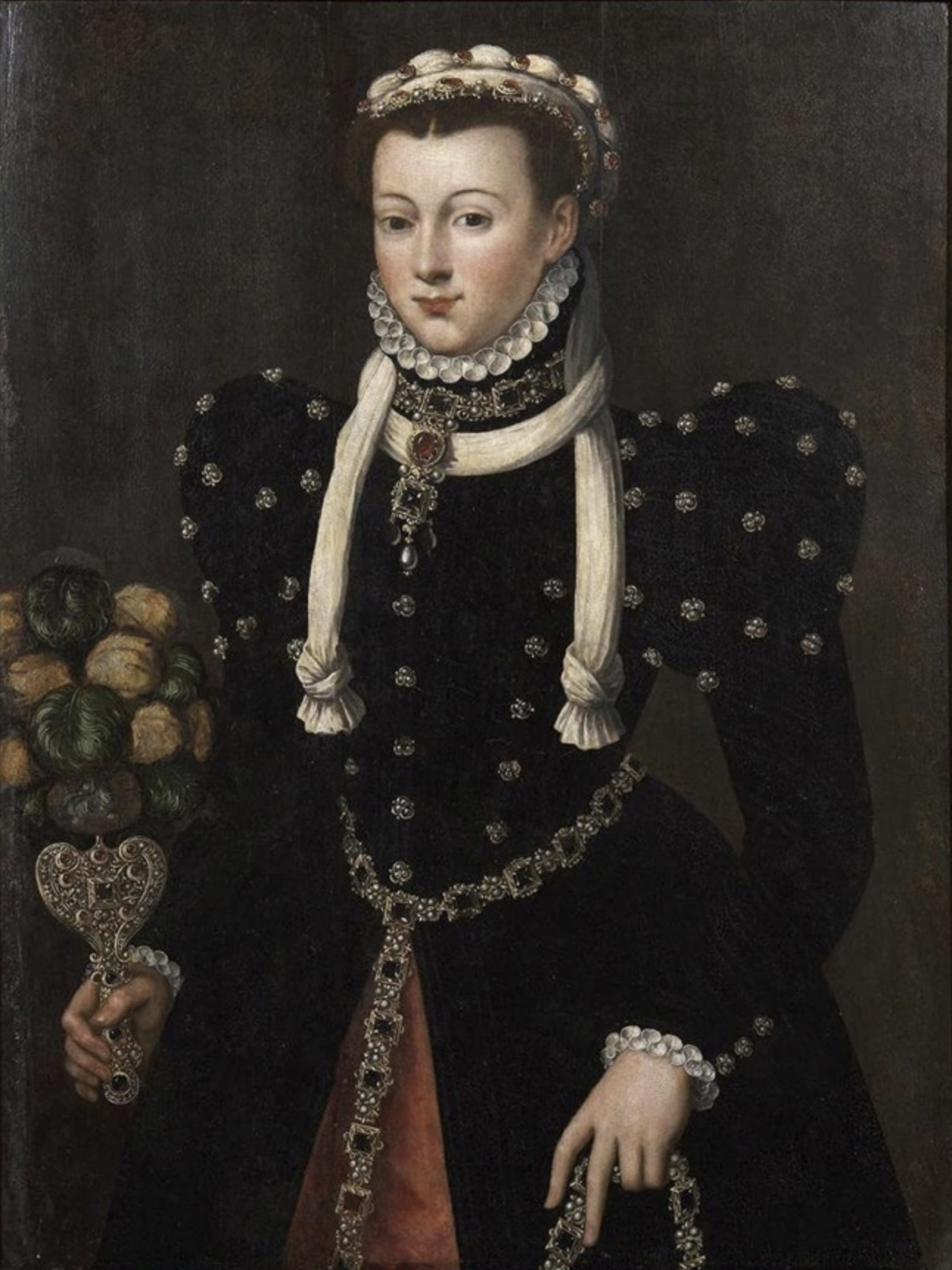
Anna van Egmond (1533–1558), Countess of Buren and Wife of William of Orange, Treated by Lommius and Vesalius
Lommius (c. 1527–1572), born in Buren (Gelderland), later Latinized his name to Jodocus Lommius Buranus in his publications. He studied medicine in Leuven (1549) and became city doctor in Tournai in 1554. Lommius was acquainted with Jean Fernel, professor of medicine in Paris, and together with Andreas Vesalius (1514–1564), he attended the deathbed of Anna van Buren in Breda in March 1558.
Lommius published three works, with his most famous being Medicinalium observationum libri tres on semiology. At the time, he was serving as city doctor in Brussels. He likely later moved to Vienna as court physician to Emperor Maximilian II, overseeing the care of the emperor’s children. Toward the end of his life, Lommius held a position at the imperial court in Madrid, where he passed away in 1572.
Biographies
Maurits Biesbrouck, born in 1946 in Roeselare (Belgium), is a clinical pathologist who worked at the Stedelijk Ziekenhuis Roeselare.
He has maintained a lifelong scholarly interest in Andreas Vesalius and published a Dutch translation of the first book of Vesalius’s landmark anatomical treatise, De humani corporis fabrica (1543). Biesbrouck has also compiled an annotated and annually updated Vesalius bibliography, together with a comprehensive overview of the editions of Vesalius’s works and letters. These resources are available on the website dedicated to Vesalian studies: www.andreasvesalius.be.
Francis Van Glabbeek is Professor at the Faculty of Medicine and Health Sciences of the University of Antwerp and an orthopedic surgeon at Antwerp University Hospital, where he serves as Vice-Chair of the Department of Orthopedics and Traumatology. Within the medical curriculum, he teaches musculoskeletal anatomy and contributes to courses on the history of medicine.
He has a long-standing interest in medical antiquarian books and has assembled a collection of more than one thousand works, including original publications by Andreas Vesalius, Govert Bidloo, Philipp Verheyen and Jan Palfijn. His medical-historical research focuses on lesser-known sixteenth-century healthcare practitioners, aiming to bring renewed attention to their lives and contributions.
He collaborates closely with historians and physicians including Maurits Biesbrouck, Theodoor Goddeeris and Omer Steeno. This work has fostered a broad international network of colleagues and friends among historians, physicians, bibliophiles and museum curators, including Robert Van Hee, Vivian Nutton, Monique Kornell, Daniel Margócsy, Stephen Joffe, Jacalyn Duffin and Jacqueline Vons.
His recent publications include Myology before Vesalius: Giovanni Battista Canani (1515–1579) (2022), Remacle and Gilbert Fusch (2024) and Jodocus Lommius and Anna van Egmond (2025). A forthcoming study on Balduinus Ronsseus is expected in 2027.
Theodoor Goddeeris, born in 1942, Kortrijk (Belgium), is a retired Belgian physician recognized for his contributions to the history of medicine, particularly the study of the 16th-century anatomist Andreas Vesalius. He studied medicine at the University of Leuven and worked as an internist-geriatrician at Groeninge Hospital in Kortrijk. After his clinical career, he devoted himself to historical research as a member of the Working Group Andreas Vesalius. In collaboration with Maurits Biesbrouck and Omer Steeno, he contributed to the translation and analysis of Vesalius’ correspondence with Benedetto Varchi and published studies on the final months of Vesalius’ life and his death on Zakynthos.
Figure. Portrait of Anna van Egmond, gravin van Buren (1533-1558), possibly after Antonio Moro, between 1555 and 1599, Ducal Palace Museum, The Netherlands.
Ruben Deblier and Tom Quisenaerts (Belgium)
History of Care in Medical Education: Why It Matters
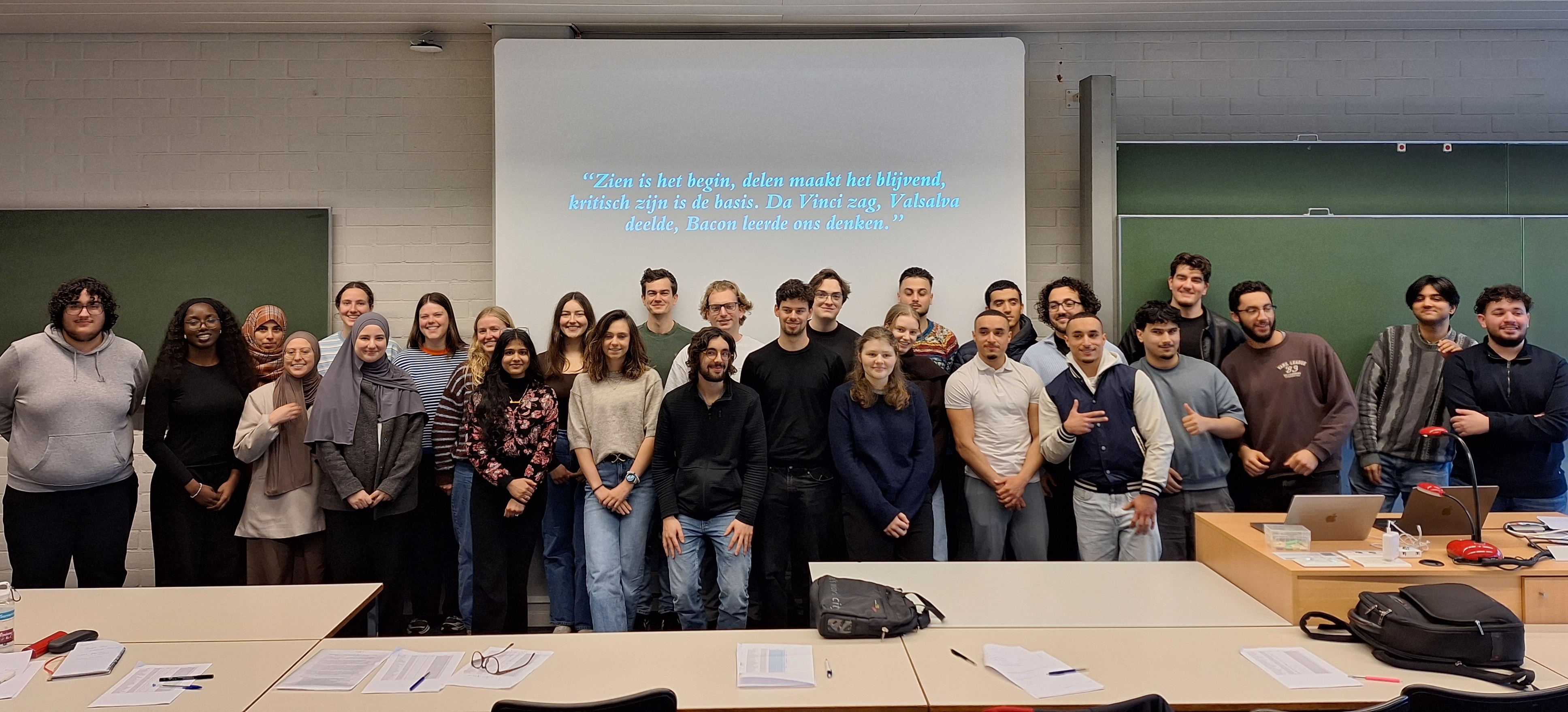
In 2024, fifteen medical master’s students at the University of Antwerp took the elective course History of Care. The experience proved highly enriching, yet the course remains optional—a situation both students and faculty find regrettable. They argue that historical knowledge belongs at the heart of medical education.
The course explored medicine from prehistory to the 19th century, non-Western medical systems, the role of women in healthcare, and experimental thinking. Students combined theory with hands-on learning, including research projects and a visit to the Museum Plantin Moretus, examining historic manuscripts and original printing plates.
Studying the past helps future doctors understand why practices evolved, recognize pivotal breakthroughs, and navigate ethical dilemmas with context and nuance. Historical insight fosters critical thinking, professional identity, empathy, and appreciation for medical progress.
As healthcare rapidly evolves—with AI, globalization, and complex patient care—this course bridges past and present, preparing students to be reflective, competent, and conscientious physicians.
Biographies
Ruben Deblier is a third-year Master of Medicine student at the University of Antwerp with a strong interest in plastic and reconstructive surgery. During his medical training, he has completed clinical rotations and observation internships across several surgical specialties, including neurology, maxillofacial surgery, and cardiac surgery. At Antwerp University Hospital and AZ Middelheim, he gained clinical exposure by assisting in patient care and observing complex surgical procedures in maxillofacial and cardiovascular surgery.
Alongside his clinical training, he is actively involved in research projects focusing on reconstructive microsurgery, head and neck oncology, and surgical outcomes. His work includes publications on reconstructive flap surgery and cardiovascular surgery in oncology patients, as well as contributions to interdisciplinary discussions on medical education and the humanities in medicine. One of his recent contributions appeared in EOS Wetenschap.
Tom Quisenaerts obtained his M.D. from the University of Antwerp and is currently pursuing his residency and PhD research in Plastic and Reconstructive Surgery. His research interests focus on breast cancer, reconstructive surgery, and medical statistics, as well as the medical humanities, particularly the intersections between medicine, art and history.
Through his involvement with BIOMAB, he has participated in several live anatomical dissections together with Francis Van Glabbeek. These demonstrations were organised for interdisciplinary audiences, bringing together artists and medical professionals to explore anatomical knowledge from both scientific and artistic perspectives.
Figure. Medical students at the University of Antwerp of the academic year 2025/26 presenting their projects on the history of medicine.
Maartje De Wilde and Jef De Ridder (Belgium)
A rare gift doubles the incunabula Collection at the University of Antwerp
In the summer of 2025, the Department of Library & Archives received a generous and anonymous donation of five incunabula, or books printed before 1501. In November 2025, a sixth was added. This extraordinary gift more than doubled the number of incunabula held by the Special Collections.
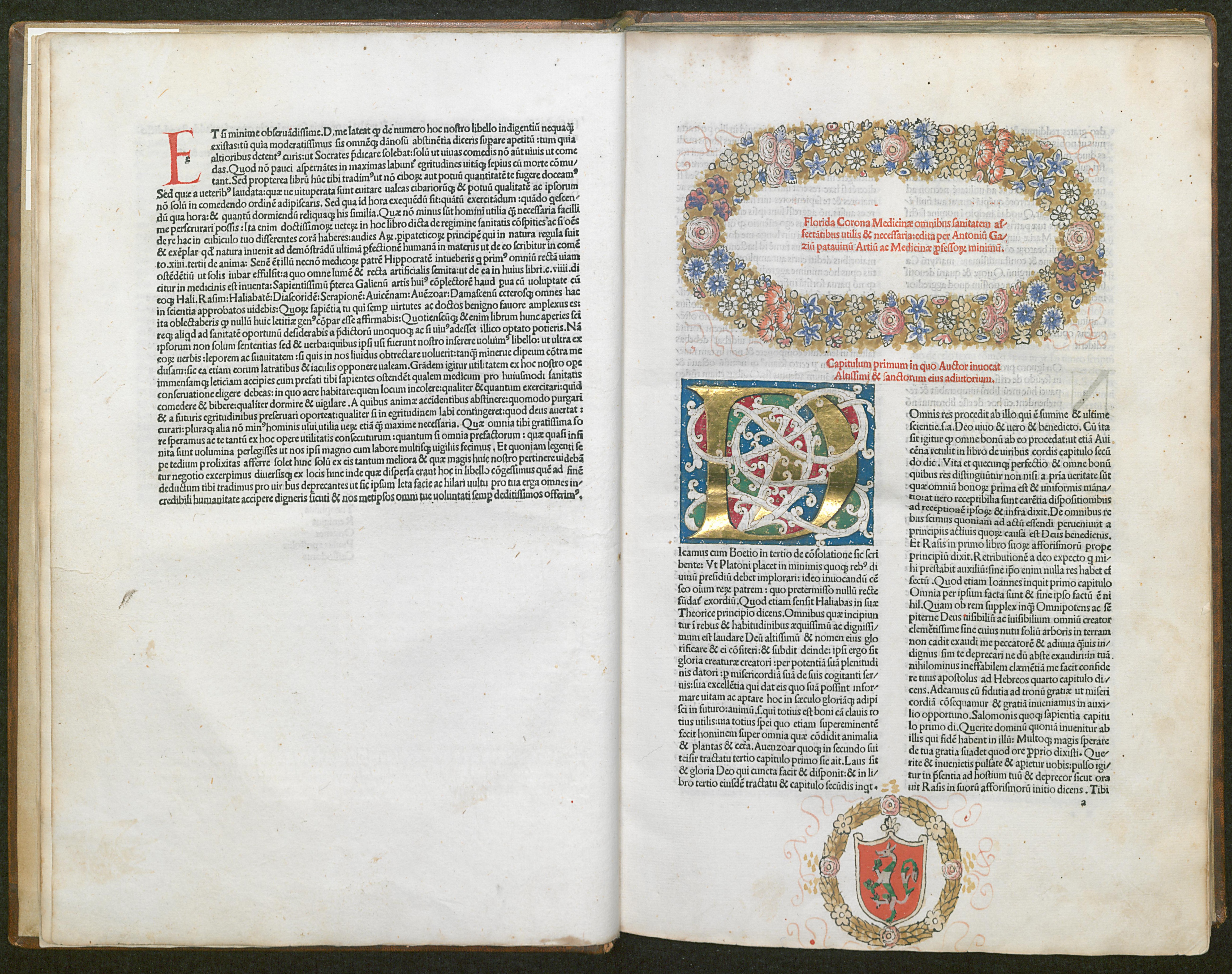
Among these treasures is the 1491 edition of Antonius Gazius’ Corona florida medicinae. Gazius titled his treatise “a wreath of flowers” because he carefully compiled information from older anthologies. Printed in Venice by Giovanni and Gregorio di Gregori of Forlì, the work is a practical guide to healthy living.
Little is known about Gazius (also Gadius or Antonio Gazio). He was of Northern Italian origin – Padua or Cremona – and studied medicine at the University of Padua. He practiced across Europe, including at the courts of Hungary and Poland, and died in 1528.
The treatise contains over three hundred chapters on sleep, exercise, hygiene, sexual health and nutrition. He describes the qualities, preparation, and consumption of foods from saffron to meats and wines. This work blends Jewish, Arabic, and Western sources, citing physicians (Galen, Hippocrates), philosophers (Maimonides, Aristotle), poets (Ovid, Virgil), and clergy (Paul, Augustine).
Of the 121 known copies, one resides in the Royal Library of Belgium, and the second now belongs to the University of Antwerp. Ownership marks, including the Feroldi family coat of arms, testify to the book’s journey across early modern Europe.
Find more books from the Special Collections that are classified under the subject code Human Medicine: https://go.wander.be/query/uantwerpen/opacuantwerpen/ua-med
Biographies
Maartje De Wilde is curator and coordinator of Special Collections at the University of Antwerp Library. In 2011 Maartje obtained a PhD in literature. She specializes in early modern literature and book history, with an emphasis on song books, poetry and prose from the Low Countries and a special focus on readership. She is an expert in analytical bibliography and values the study of the book as a material, physical object to better understand its functions and meaning. Maartje has worked at several universities (University of Antwerp, University of Amsterdam, Université Libre de Bruxelles, KU Leuven). For several years she has also been active as a project manager for book exhibitions and an editor of publications.
Jef De Ridder combines his education in classical philology and library sciences as collection specialist at Special Collections library department. He holds fifteen years of experience in library metadata, which allows him to operate at the interface of modern databases and the handpress book, focusing on bridging the gap between public and institution. By enhancing the metadata of the heritage collection (books, maps, manuscripts and the like) Jef tries to lower the threshold step by step and to increase access by analyzing and using (new) digital tools. All digital methods aside, Jef is also an enthusiastic tour guide to visiting groups of students and scholars, helping people to get acquainted with our collection.
Figure: An ornate detail from Corona florida medicinae, sive De conservatione sanitatis by Antonius Gazius (1449–1528).
Hassene Hamouda (Belgium/Tunisia)
Melancholy Across the Mediterranean: From Caelius Aurelianus to Ishaq Ibn Omrane — Transmission of Medical Knowledge from Late Antiquity to Medieval Arab-Islamic Medicine
Melancholy is one of the oldest diagnostic concepts in the history of medicine and psychiatry. Descriptions of conditions resembling depressive disorders appear in ancient medical traditions, particularly within the Hippocratic corpus, where melancholy was explained through the theory of the four humors and associated with an excess of black bile. Galen later systematized this humoral framework, shaping medical thought across the Mediterranean world for centuries.
During Late Antiquity, the North African physician Caelius Aurelianus played a key role in preserving and transmitting Greco-Roman medical knowledge. Through his Latin writings, particularly De morbis acutis et chronicis, he conveyed the clinical teachings of earlier Greek physicians such as Soranus of Ephesus. His work includes detailed descriptions of conditions resembling melancholic states, characterized by persistent sadness, social withdrawal, and disturbances of thought. The intellectual and medical activity of ancient North Africa, notably in urban centers such as Carthage, testifies to the importance of this region in the circulation of medical knowledge across the Mediterranean.
Several centuries later, the physician Ishaq Ibn Omrane, active in Kairouan in the ninth century, authored one of the earliest medical treatises devoted entirely to melancholy (Maqāla fī al-Mālankhūliyā). Building on the humoral tradition, Ibn Omrane developed a more elaborate clinical and therapeutic approach integrating bodily, psychological, and environmental factors. d clinical and therapeutic approach to melancholy, integrating bodily, psychological, and environmental factors. The city of Kairouan was at that time an important intellectual and medical center of the medieval Maghreb, illustrating the role of urban and institutional spaces in the production and transmission of medical knowledge.
By examining these two figures, this presentation highlights the continuity of medical knowledge across the Mediterranean and underscores the important role of North Africa as a space of transmission between the medical traditions of Late Antiquity and medieval Arabo-Islamic medicine. It also reflects on how early clinical observations of melancholy resonate with contemporary understandings of depression within a biopsychosocial framework, as proposed by George L. Engel in 1977.
Biography
Hassene Hamouda is a psychiatrist based in Belgium at the Centre Neuro-Psychiatrique Saint-Martin (Dave). His clinical work focuses on addiction psychiatry and the management of complex psychiatric conditions. Alongside his clinical practice, he has a strong interest in the history of psychiatry and the transmission of medical knowledge across Mediterranean cultures. His research explores how historical medical texts contribute to understanding the development of modern psychiatric concepts and clinical approaches. Combining clinical psychiatry with intellectual history, he highlights continuities between ancient medical traditions and contemporary understandings of mental health. He is member of the Tunisian Society for the History of Medicine and Pharmacy.
The 50th International Congress of the History of Medicine will be held in Tunis from November 4–6, 2026.
Original French text
La mélancolie à travers la Méditerranée : de Caelius Aurelianus à Ishaq Ibn Omrane — transmission du savoir médical de l’Antiquité tardive à la médecine arabo-islamique médiévale
La mélancolie constitue l’un des concepts diagnostiques les plus anciens de l’histoire de la médecine et de la psychiatrie. Des descriptions d’états évoquant les troubles dépressifs apparaissent dès les traditions médicales antiques, notamment dans le corpus hippocratique, où la mélancolie est expliquée par la théorie des quatre humeurs et associée à un excès de bile noire. Galien systématise ensuite ce modèle humoral, influençant durablement la pensée médicale dans l’ensemble du monde méditerranéen.
Au cours de l’Antiquité tardive, le médecin nord-africain Caelius Aurelianus joue un rôle essentiel dans la préservation et la transmission du savoir médical gréco-romain. Par ses écrits en latin, notamment De morbis acutis et chronicis, il transmet l’enseignement clinique de médecins grecs antérieurs tels que Soranos d'Éphèse. Ses travaux offrent des descriptions détaillées d’états proches de la mélancolie, caractérisés par une tristesse persistante, un retrait social et des perturbations de la pensée. L’activité intellectuelle et médicale de l’Afrique du Nord antique, notamment dans des centres urbains tels que Carthage, témoigne de l’importance de cette région dans la circulation des savoirs médicaux à l’échelle méditerranéenne.
Plusieurs siècles plus tard, le médecin Ishaq Ibn Omrane, actif à Kairouan au IXᵉ siècle, rédige l’un des premiers traités médicaux entièrement consacrés à la mélancolie (Maqāla fī al-Mālankhūliyā). S’inscrivant dans la tradition humorale, Ibn Omrane développe une approche clinique et thérapeutique plus élaborée, intégrant des facteurs corporels, psychologiques et environnementaux. La ville de Kairouan constitue alors un centre intellectuel et médical important du Maghreb médiéval, illustrant le rôle des espaces urbains et institutionnels dans la production et la transmission du savoir médical.
À travers l’étude de ces deux figures, cette présentation met en lumière la continuité du savoir médical autour de la Méditerranée et souligne le rôle majeur de l’Afrique du Nord ccomme espace de transmission entre les traditions médicales de l’Antiquité tardive et la médecine arabo-islamique médiévale. Elle propose également une réflexion sur la manière dont certaines observations cliniques anciennes de la mélancolie entrent en résonance avec les conceptions contemporaines de la dépression, dans une perspective biopsychosociale, notamment à travers le modèle proposé par George Engel en 1977.
Biographie
Hassene Hamouda est psychiatre en Belgique au Centre Neuro-Psychiatrique Saint-Martin (Dave). Sa pratique clinique est principalement consacrée à la psychiatrie des addictions et à la prise en charge de situations psychiatriques complexes. Parallèlement à son activité clinique, il s’intéresse à l’histoire de la psychiatrie et à la transmission du savoir médical à travers les cultures méditerranéennes. Ses travaux explorent la manière dont les textes médicaux anciens peuvent éclairer l’évolution des concepts psychiatriques modernes et des approches cliniques contemporaines. À travers une perspective croisant psychiatrie clinique et histoire des idées médicales, il met en évidence les continuités entre traditions médicales anciennes et compréhension actuelle de la santé mentale. Il est membre de la Société Tunisienne d'Histoire de la Médecine et de la Pharmacie.
Le 50e Congrès International d’Histoire de la Médecine se tiendra à Tunis du 4 au 6 novembre 2026.
Marie Krüger (Germany)
Visual Representations of Early Modern Anatomical Theatres
Two Examples of Image Production and Circulation
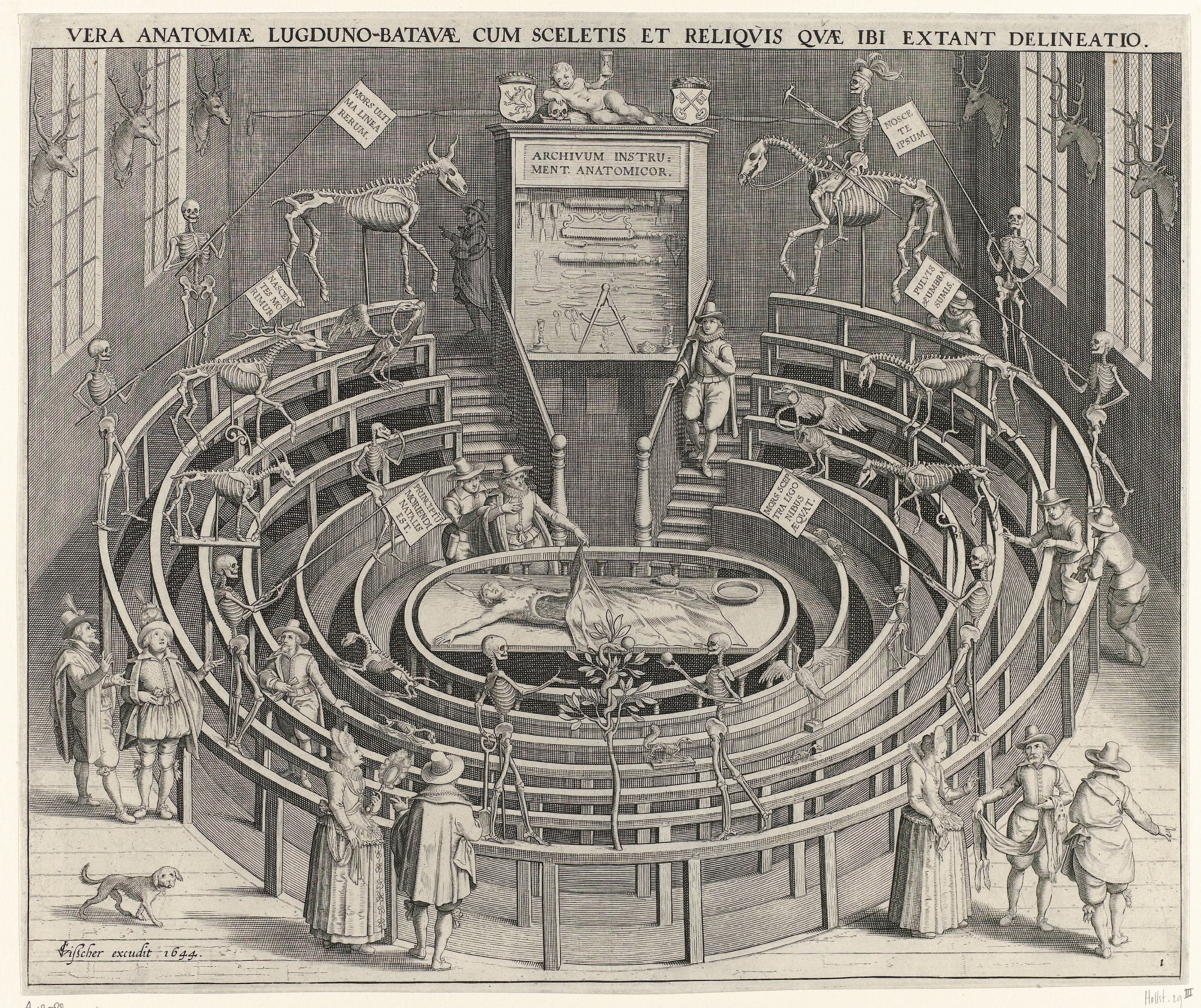
Our current understanding of the design and function of anatomical theatres in the Low Countries is strongly shaped by the images that contemporaries produced of these spaces. While travelogues and building records have often been preserved, they rarely convey the same immediacy as visual sources such as engravings and paintings. These images not only provide insight into the spatial arrangement and use of anatomical theatres, but also communicate how such spaces were intended to be perceived by their audiences.
Some representations—such as prints of the Leiden Anatomical Theatre at Leiden University—were widely circulated. Produced as part of a series depicting university institutions housed in the Faliede Begijnkerk, these engravings functioned as promotional material aimed at prospective students. Their broad dissemination contributed to their visual authority, and their compositions were frequently copied and adapted by other artists.
In contrast, other representations of anatomical theatres fulfilled a more exclusive, internal function. Large-scale group portraits commissioned by surgeons’ guilds in cities such as Antwerp or Amsterdam were intended for display within guild halls. These paintings addressed a more limited audience—members and affiliates already familiar with anatomical practice—and emphasized professional identity, civic prestige, and collective knowledge.
By examining one print and one painting, this lecture traces the contexts of production, circulation, and reception of two distinct visual representations of anatomical theatres, highlighting how each was carefully tailored to its intended audience and purpose.
Biography
Marie Krüger is an art historian who holds a master’s degree from Freie Universität Berlin. She is currently a PhD candidate and research assistant in an Emmy Noether Research Group funded by the Deutsche Forschungsgemeinschaft at Ruhr-Universität Bochum, where she has been working since September 2024.
The research group investigates the role of anatomical theatres as built environments in shaping a scientific sphere in the early modern period. Within this framework, Krüger’s doctoral research focuses on the visual representation of European anatomical theatres, examining how these spaces were depicted and communicated through images. Her work brings together art history, the history of science, and architectural studies to better understand the relationship between space, knowledge production, and visual culture in early modern Europe.
Figure. Anatomical Theatre of Leiden UniversityWillem Isaacsz. van Swanenburg, 1610. https://id.rijksmuseum.nl/200260906.
Jacqueline Morgan (UK)
The Visual Culture of Music and Madness in the Victorian Era
Music and mental health have long shared an intertwined history, from Biblical accounts of David playing to soothe King Saul—bringing him comfort and restoring his well-being—to the modern incorporation of music therapy within medical practice.
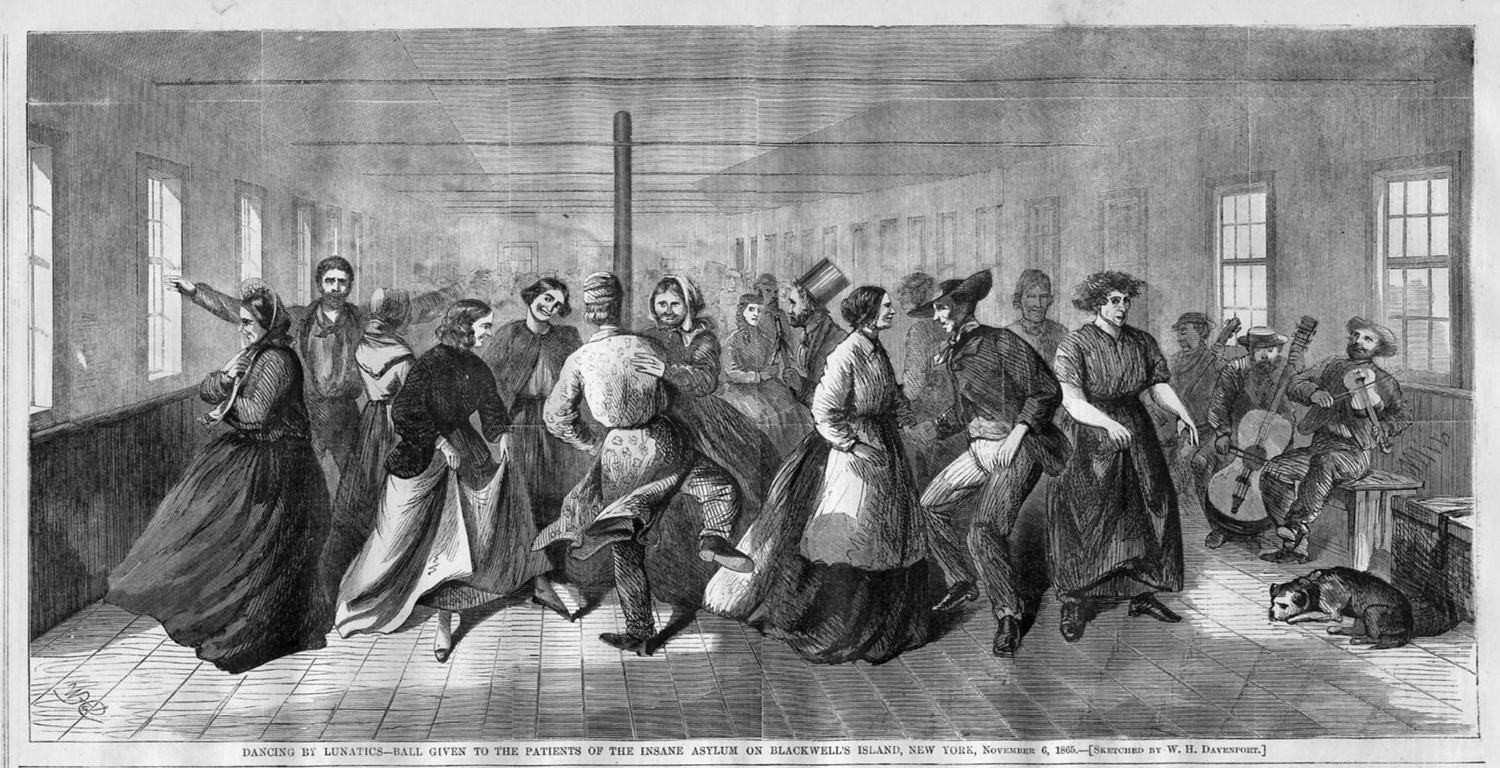
The visual culture of music and madness forms part of a broader field of research examining the role of music in Victorian lunatic asylums. During this period, images were frequently employed by such institutions as a means of communicating messages to society. These visuals often presented asylums in a positive light, offering reassurance to the families of those institutionalised and highlighting perceived advancements in psychiatric care. Notably, music frequently appears as a central theme within these representations.
While many of these images depict music as beneficial and therapeutic, others illustrate a more ambivalent or critical perspective, portraying the pathologisation of certain musical forms and their potentially harmful effects on the mind.
By exploring the visual representation of music and madness in the Victorian era, we gain a deeper understanding of contemporary psychiatric practices, as well as the cultural and therapeutic significance attributed to music within these institutions.
Biography
Jacqueline Morgan is a General Practitioner and Teaching Fellow at the University of Birmingham, where she is involved in the education of medical students. She holds a degree in the History of Medicine, with research focusing on the role of music in Victorian psychiatry.
She has a strong interest in medical education, having completed a Master’s degree in the field, and is also engaged in the creation of medical illustrations for educational purposes. Currently, she is undertaking a PhD exploring group dynamics between medical specialty groups.
Figure. Invalids - Recreation and Entertainment: Dancing by Lunatics. Sketched by W.H. Davenport. Dec. 2, 1865. Harper's Weekly, v. 9, p. 765.
Janine Murta (Grenada)
Depictions of the Liver through Time
Co-author: Sue Simon
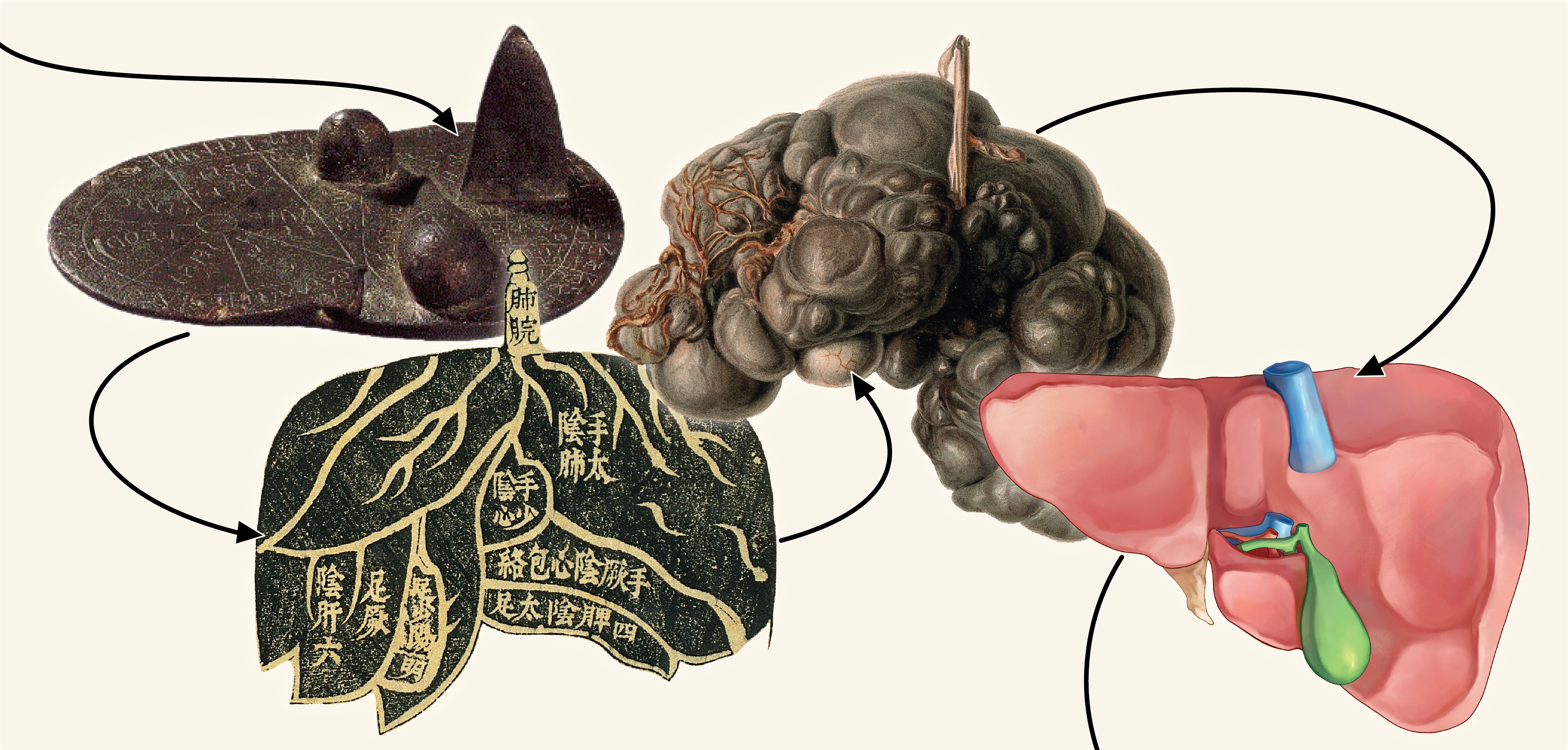
This abstract presents a visual and historical timeline tracing depictions of the liver from antiquity to the modern era, highlighting the evolving intersection of art, medicine, and cultural beliefs. As the largest gland in the human body, the liver has long held symbolic and medical significance across societies.
The review begins with early representations in ancient Mesopotamia, where the liver was considered the seat of the soul. It continues with the Etruscan practice of hepatoscopy (liver divination) and references in Greek mythology, including the story of Prometheus, whose liver was eternally regenerated. Shakespeare’s term “lily-livered” reflects the liver’s association with emotion and character, while in Galenic medicine, the liver’s production of bile was central to the theory of the Four Humours.
During the Renaissance, advances in dissection and scientific understanding led to more accurate anatomical renderings, as seen in early modern anatomical works. Contemporary illustrations now combine medical imaging and digital visualization, reflecting both scientific progress and evolving artistic representation.
By examining how the liver has been depicted through art and illustration, this poster highlights the evolution of medical knowledge alongside the development of medical art. It offers a record of scientific advancements and a reflection of cultural narratives that have shaped perceptions of the liver across history.
Biographies
Janine Murta is a medical illustrator and animator specializing in 2D animation and publication figures. She holds a BA in Design from Goldsmiths College, University of London, and an MSc in Forensic Art and Facial Imaging from the University of Dundee. Since 2023, she has worked at the Center for BioMedical Visualization at St. George’s University (SGU), developing animations for faculty research and teaching anatomy-based figure drawing to medical students.
Sue Simon is director and project manager of BVIS with over 20 years of experience in medical illustration. She holds an MS from the University of Illinois at Chicago, a BFA from the University of Connecticut, and is a board-certified medical illustrator. Sue has worked in pharmaceutical education, medical-legal illustration, and academic support. Since joining SGU in 2018, she continues to design engaging educational materials and is pursuing a Master of Education degree, studying how drawing medical content enhances understanding and knowledge retention.
Pascale Pollier (Belgium/UK)
Tribute to Prof. Dr. Omer Steeno
Co-authors: Ann Van de Velde, Bob Van Hee, Francis Van Glabbeek, Marc De Roeck and Theo Dirix
This tribute poster celebrates the remarkable scholarly legacy of Prof. Dr. Omer Steeno, Belgian physician, medical historian, and internationally respected authority on Renaissance anatomy and the life and work of Andreas Vesalius. Created by friends and colleagues who share his long-standing search for the grave of Vesalius, this tribute honours a lifetime devoted to uncovering, preserving, and sharing medical history.
Over several decades, Prof. Steeno has produced an extensive and influential body of work including articles, books, archival discoveries, exhibitions, and collaborative research. His studies have greatly enriched Vesalian historiography, revealing new insights into Vesalius’ networks, correspondence, iconography, and enduring cultural presence. Through meticulous archival research and international collaboration, he has brought to light rare and previously unknown sources that continue to shape the field.
Beyond historical scholarship, Prof. Steeno played a pioneering role in developing andrology and reproductive medicine in Belgium and contributed significantly to medical education and professional leadership at KU Leuven and University Hospitals Leuven.
The selected publications (2007–2026) presented here reflect his ongoing curiosity, generosity, and collaboration. Celebrating his 90th birthday, we warmly honour a colleague and friend whose dedication has enriched generations of researchers and safeguarded the heritage of Renaissance medicine.
Biography
Pascale is a medical artist/ fine artist who studied painting and sculpture at St Lucas Art School in Ghent. She received her diploma with honours and specialised in medical art with the Medical Artists Association in London, UK. Pascale is a co-founder and past president of BIOMAB, where she curates exhibitions, organises dissection drawing classes, and collaborative art and science projects. She founded ARSIC, an international collective focused on the intersection of art, science, technology, and philosophy. She has served as an external examiner for medical art courses at the University of Dundee and Liverpool John Moores University and the John Lennon institute of Art and Design. Pascale is AEIMS Secretary and past President of AEIMS and The Medical Artists Association of Great Britain (MAA).
Currently based in Liverpool and in London, Pascale has worked as a research assistant at LJMU’s FaceLab and was a medical illustrator for the NHS (Crosscover). She also teaches sculpture and drawing workshops at various institutions and museums worldwide. Pascale’s artwork has been exhibited globally and is held in private collections. Her portfolio can be viewed at www.artem-medicalis.com ; pascale@artem-medicalis.com
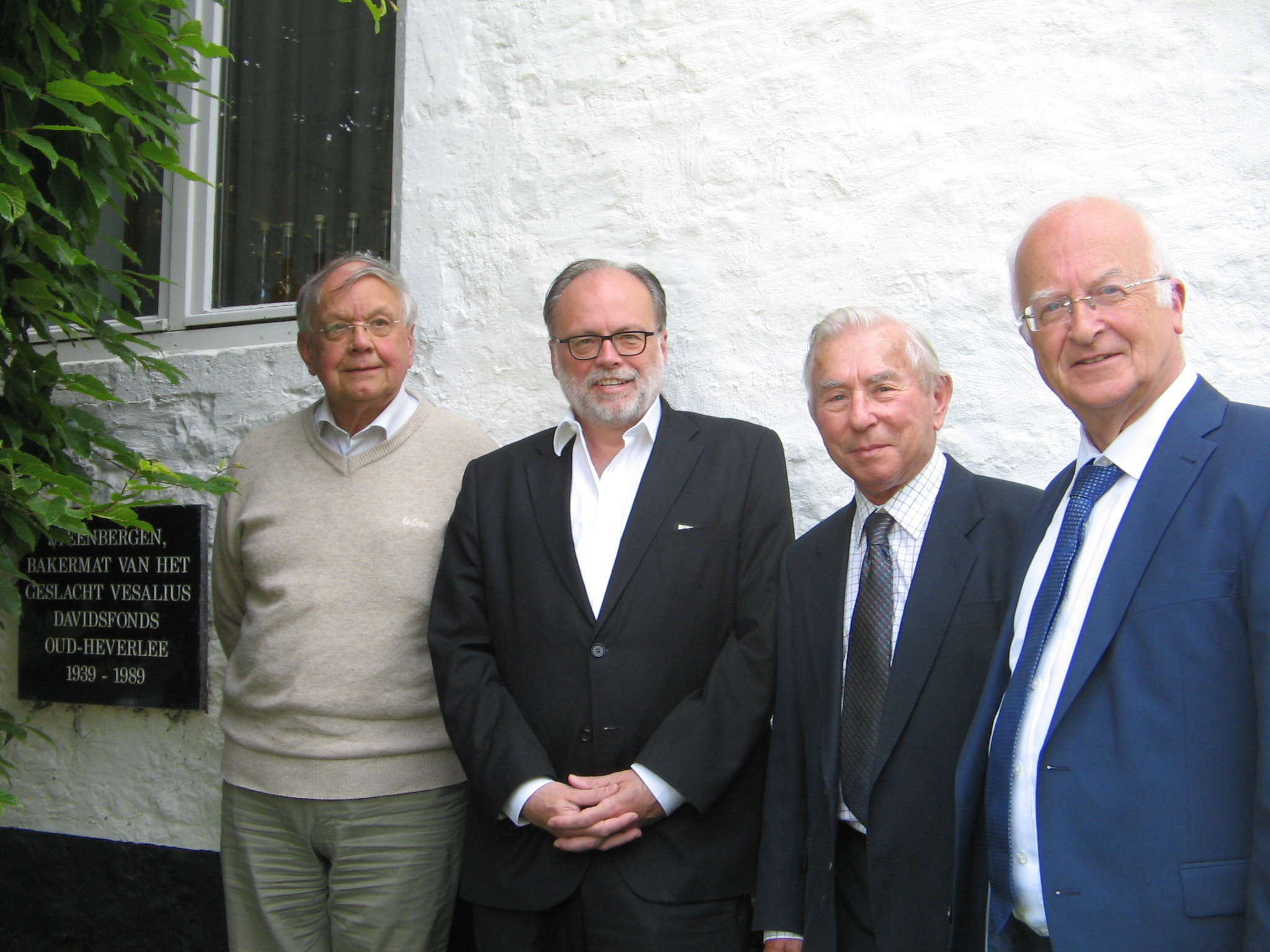
Figure. Omer Steeno is the third person from the left in the photograph. Photo by the Author.
Nair Rosas Pinto (Portugal)
Visual Evidence: Autopsy Drawings and the Making of Forensic Knowledge in Portugal
Co-authors: João Rui Pita and Francisco Corte Real
The nineteenth century was a period of extraordinary medical advancement, marked by the development of pathological anatomy and the consolidation of forensic medicine as a fundamental discipline within the administration of justice. Building on the work of earlier figures such as Morgagni and Bichat, major contributions were made by Rokitansky and Virchow, whose research established cellular theory as the foundation of disease and promoted the systematic use of microscopy.
In Portugal, these developments led to the institutionalization of forensic medicine teaching in 1836 and, later, to the establishment of formal medico-legal structures in 1899, including morgues associated with medical schools. Despite the material limitations of these early facilities, medico-legal practice evolved rapidly.
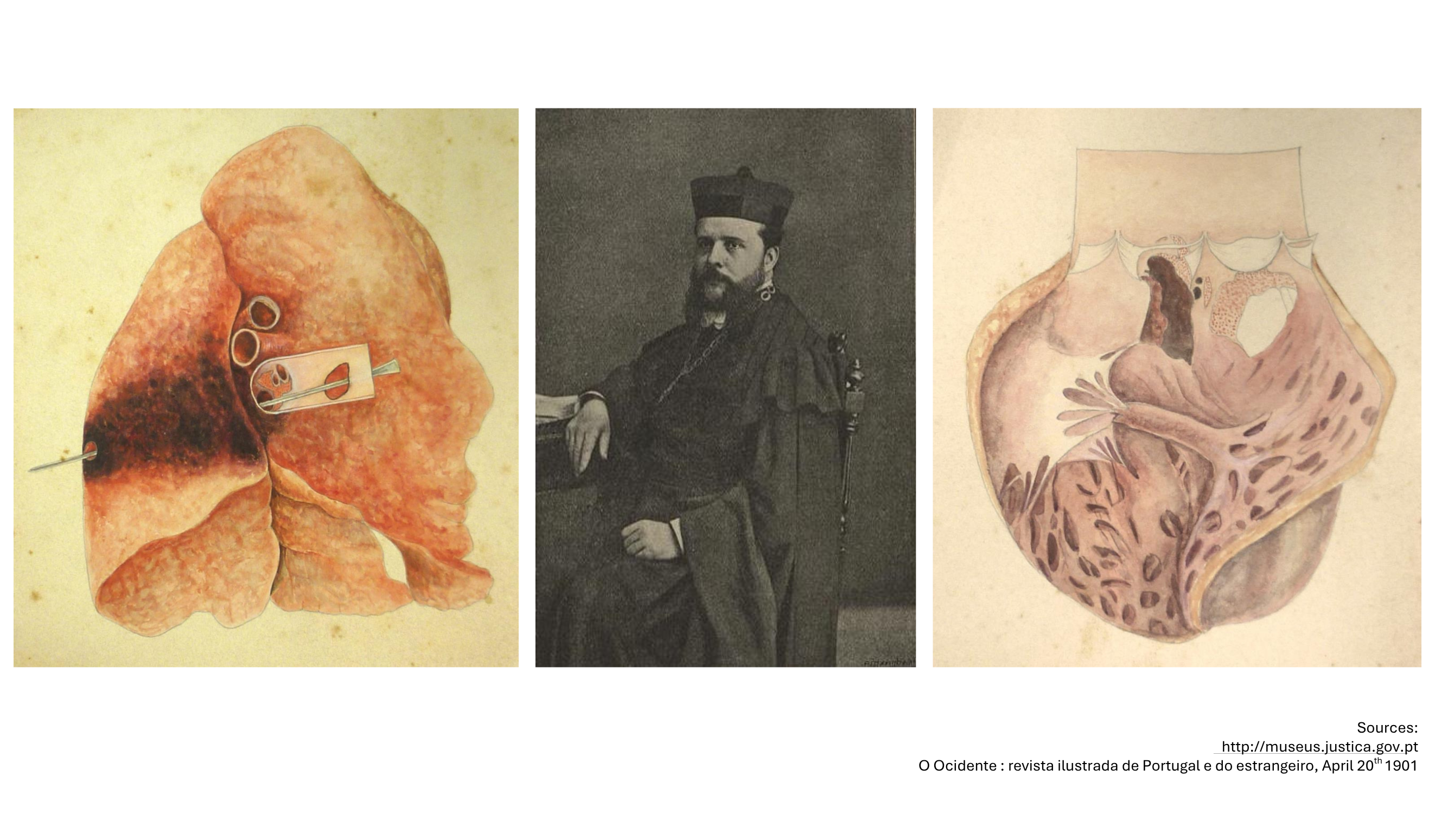
At the Morgue de Lisboa, Silva Amado served as the sole forensic practitioner during the first decade of the twentieth century. He introduced the systematic use of anatomical drawings in autopsy reports—an innovation later expanded by Azevedo Neves in collaboration with specialized illustrators. These visual records proved particularly effective in judicial contexts, facilitating the interpretation of medico-legal findings by magistrates and juries. They were soon recognized as valuable evidentiary tools and received positive appraisal internationally.
The importance of medical illustration in forensic contexts is thus evident. Throughout the twentieth century, many anatomy departments employed resident artists or medical illustrators, who played a crucial role in translating complex findings into visual formats and supporting medical education in the pre-digital era.
Although materials from the Morgue de Lisboa archives have been partially explored, the autopsy reports produced by Silva Amado—and the motivations underlying his introduction of graphic documentation—remain largely understudied.
This project aims to analyze the emergence and use of graphical documentation in early twentieth-century Portuguese autopsy reports, with particular focus on the practices implemented by Silva Amado at the Morgue de Lisboa between 1900 and 1910.
Biography
Nair Rosas Pinto holds a medical degree (MD) from the University of Porto (2009) and is a Specialist and Consultant in Legal Medicine at the Baixo Vouga Medical-Legal and Forensic Office of the National Institute of Legal Medicine and Forensic Sciences (INMLCF, I.P.). She is currently a PhD candidate in the joint Doctoral Programme in History of Science and Scientific Education at the Universities of Coimbra and Aveiro.
She has completed postgraduate training in Legal Medicine and Post-Traumatic Bodily Damage Assessment (University of Porto), Social Medicine (University of Coimbra), and Virtopsy (University of Zurich) and is a member of the Board of the College of Competence in Personal Injury Assessment and of the College of Legal Medicine of the Portuguese Medical Association.
She has previous teaching experience in Legal Medicine at the Faculty of Medicine of the University of Porto (FMUP) and in Legal Medicine and Forensic Toxicology at ICBAS, among other institutions. She actively contributes to continuous professional development through courses, workshops, and scientific meetings, including presentations, posters, invited lectures, and science communication activities. She is also an active member of the INMLCF Disaster Victim Identification team.
Sue Simon (Grenada)
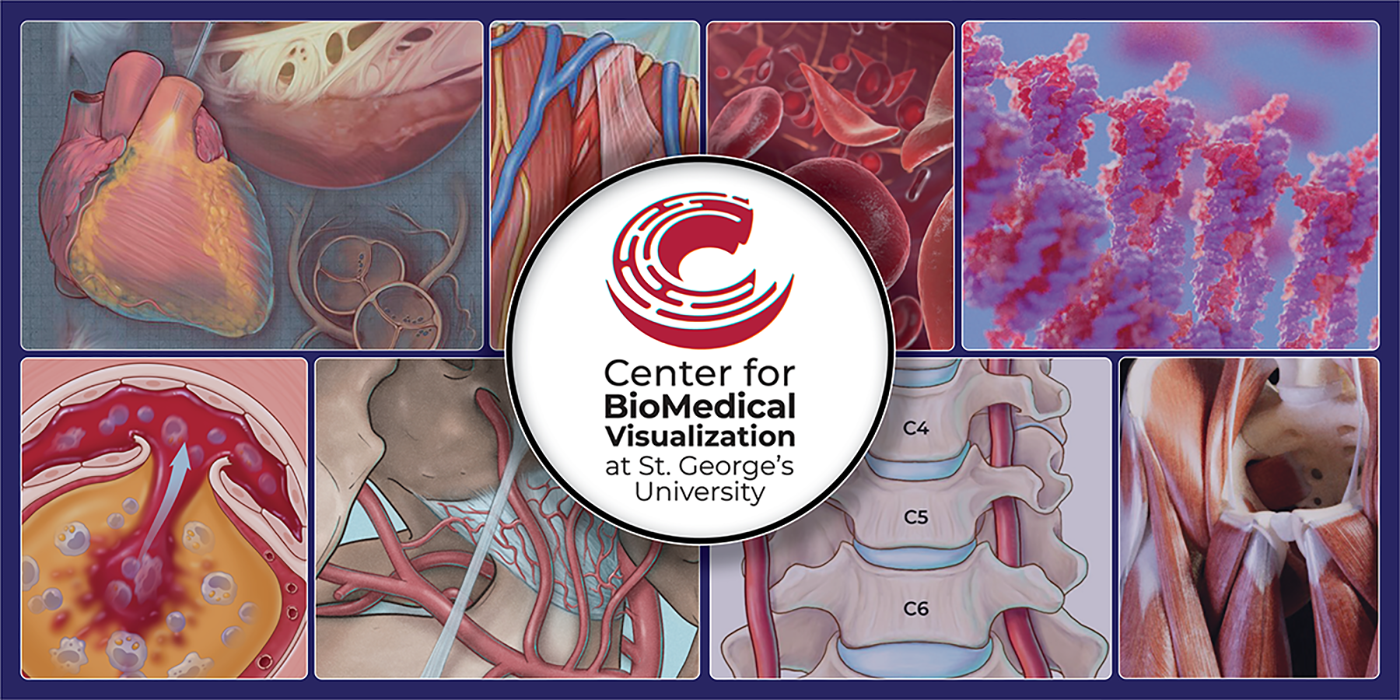
Developing Unique Educational Experiences: The Center for BioMedical Visualization at St. George’s University
Co-author: Janine Murta
The Center for BioMedical Visualization (BVIS) at St. George’s University (SGU) is a team of ten medical artists dedicated to creating visual educational materials that support both students and faculty in the School of Medicine. The BVIS team transforms complex anatomical and biomedical content into accurate, engaging, and digestible illustrations, animations, and digital 3D models. By breaking content into manageable segments tailored to course objectives, medical artists help reduce the cognitive load for students.
BVIS also produces visuals for publication, including textbooks, journals, and materials for lay audiences, aiming to make complex medical content more accessible. The team ensures medical accuracy through a combination of medical imaging, SGU’s anatomy wet lab, peer-reviewed literature, and 3D-scanned models, while collaborating with faculty content experts to align projects with curricular goals. Internal reviews optimize materials for diverse learners, including color-blind-safe palettes, clear descriptive language, and closed-captioning for animations, adapted for both lecture halls and independent learning.
This presentation will highlight several project types, including interactive tools for student learning, animations for community health education and faculty research dissemination, and figures for academic publication.
Biographies
Sue Simon is director and project manager of BVIS with over 20 years of experience in medical illustration. She holds an MS from the University of Illinois at Chicago, a BFA from the University of Connecticut, and is a board-certified medical illustrator. Sue has worked in pharmaceutical education, medical-legal illustration, and academic support. Since joining SGU in 2018, she continues to design engaging educational materials and is pursuing a Master of Education degree, studying how drawing medical content enhances understanding and knowledge retention.
Janine Murta is a medical illustrator and animator specializing in 2D animation and publication figures. She holds a BA in Design from Goldsmiths College, University of London, and an MSc in Forensic Art and Facial Imaging from the University of Dundee. Since 2023, she has worked at the Center for BioMedical Visualization at St. George’s University (SGU), developing animations for faculty research and teaching anatomy-based figure drawing to medical students.
Anna and Halina Suwalowska (UK)
Beyond Physical Form: Art, Ethics, and the Autopsy
Beyond Physical Form is an interdisciplinary platform situated at the intersection of art, science, and ethics. Founded in 2019 by sisters Anna Suwalowska (artist) and Dr Halina Suwalowska (University of Oxford, social scientist), the platform explores how artistic practice can open new ways of engaging with ethical questions surrounding mortality, the body, and post-mortem practices.
The project originated in their first major collaboration, the exhibition Beyond the Body: A Portrait of Autopsy, which reimagines the “theatre of anatomy.” Moving away from the spectacle of death, the exhibition creates a contemplative space centred on life, prompting critical reflection on care, dignity, and taboo. It examines how the dead body is perceived across different cultural and social contexts.
Since 2019, Beyond Physical Form has evolved into an international initiative, with exhibitions and public engagement projects across Europe, Africa, Asia, and the United States. By bringing together artists, academics, and heritage practitioners, the platform fosters interdisciplinary exchange and creates space for dialogue around sensitive topics. Extending beyond traditional gallery settings, it prioritises inclusivity and engages diverse audiences, particularly communities often excluded from academic and artistic discourse.
A key milestone is Homage to the Departed (2023), a public engagement project developed with emerging local artists and the McGregor Museum in Kimberley, South Africa. The project explored indigenous knowledge, human remains, heritage, and display ethics. It resulted in an academic publication (2025) and an interdisciplinary symposium organised at the Pitt Rivers Museum, Oxford, in 2025. The symposium convened museum professionals, artists, academics, and scientists to address complex perspectives on human remains.
Beyond Physical Form has been recognised with a WHO award for public engagement, acknowledging its innovative approach to addressing complex biomedical and cultural questions.
Biographies
Anna Suwalowska, a London-based Polish artist, holds degrees from the Royal College of Art (2013) and Camberwell College of Art (2011). Her work sits at the intersection of art, medicine, and science, exploring the subconscious, self-expression, and the human mind. She is the founder of Beyond Physical Form, a cross-disciplinary programme investigating museum collections related to death. From 2023 to 2024, she served as Artistic Director of Homage to the Departed at the McGregor Museum in Kimberley, South Africa, collaborating with local artists, a social scientist, and an archaeologist to examine the ethics of displaying human remains. Her projects engage diverse audiences and are developed in partnership with institutions such as the University of Oxford, University of Exeter, and University of Cape Town.
Halina Suwalowska is a researcher in Global Health Bioethics at the University of Oxford, affiliated with the Oxford–Johns Hopkins Global Infectious Disease Ethics Collaborative (GLIDE) and the WHO-led Epidemic Ethics network. Her research addresses the ethical and social challenges of managing dead bodies during epidemics and disasters, focusing on the experiences of frontline staff. Her PhD on Minimally Invasive Autopsy inspired the internationally recognized exhibition Beyond the Body: A Portrait of Autopsy.
Together, they combine artistic practice and bioethics to create projects that engage diverse audiences with questions of mortality, care, and dignity.
Figure. Magical Organs - Artwork by the author
Ann Van de Velde (Belgium)
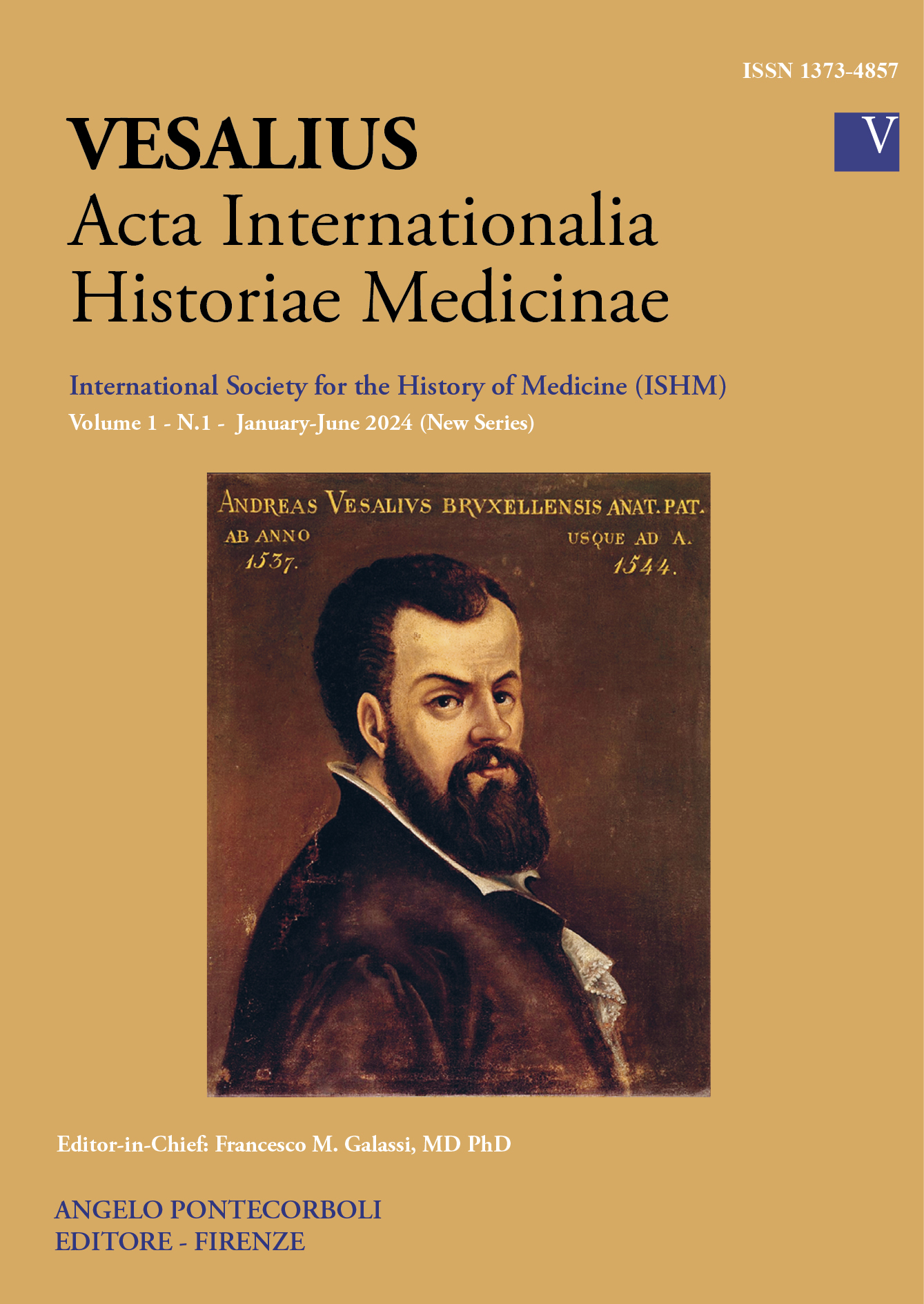
VESALIUS. Official journal of the International Society for the History of Medicine (ISHM)
Co-authors: Pascale Pollier (Belgium/UK), and Francesco Galassi (Poland)
Vesalius is the official journal of the International Society for the History of Medicine (ISHM), publishing original research across all areas of medical history. Topics include medical biography, clinical biology, medical ethics and bioethics, surgical science, anatomical modelling, history of physiology and clinical medicine, social medicine, palaeopathology, and the history of behaviour and welfare.
The journal also features reviews, letters to the editor, and abstracts from ISHM meetings and congresses, subject to editorial approval. Articles are published in English or French, with abstracts provided in both languages.
The Editor-in-Chief is Prof. Francesco Maria Galassi.
Biography
Ann Van de Velde is a physician at Antwerp University Hospital and a researcher affiliated with the Faculty of Medicine and Health Sciences at the University of Antwerp. She is President of the Association Européenne des Illustrateurs Médicaux et Scientifiques (AEIMS) and a founding member of BIOMAB.
Her academic work focuses on the history of medicine and the intersection of medicine, art, and culture. She engages in interdisciplinary projects that bring together physicians, historians, and artists to explore the historical development of medical knowledge, anatomical teaching, and clinical practice. She co-organised the Vesalius Continuum Conference (2014) and its subsequent triennial editions. She is actively engaged in research to locate the grave of Andreas Vesalius and serves as Assistant Editor of Vesalius, the Journal of the International Society for the History of Medicine.
Figure. Vol. 1 No. 1 (2024): Vesalius - Acta Internationalia Historiae Medicinae. Published: 2024-10-09

Click the image to view it in full.
Posters will be displayed throughout the conference and form an integral part of the academic programme.
Poster panel dimensions: 140 cm (height) × 120 cm (width)
Image for publication requirements: Resolution 300 dpi. Accepted file formats: TIFF, PNG, PDF, and JPEG