
Master of Biology: Biodiversity: Conservation and Restoration
Summary of the programme
The global biodiversity crisis is one of the key elements of global change. In the Master in Biology: Biodiversity: Conservation and Restoration, you'll acquire a thorough insight into the causes and consequences of the current worldwide loss of plant, animal and other species, as well as into the theory and practice of managing endangered species and the conservation and restoration of habitats. The societal aspect such as biodiversity policy, legislation and international treaties, will also be studied. You are trained in essential skills needed to protect and restore biodiversity across various scales and will undertake an internship with an external organisation involved in conservation and restoration.
Is this master right for me?
As a prospective student in Biodiversity: Conservation and Restoration, you are interested in the world around us and eager to make a difference. You want to explore the practical as well as the theoretical and legal aspects of conservation and restoration.
Students who wish to register for this master should have an overall strong scientific background including basic knowledge of mathematics, physics, and inorganic and organic chemistry, as well as the basic principles of statistics.
More specifically, familiarity with ecology is a necessity. General knowledge on plants, animals and other organisms, along with an understanding of the physical environment (soil, water, air) is also extremely useful, as well as having basic computer skills.
Why choose the University of Antwerp?
- High quality, student-centred teaching: at the University of Antwerp, you aren’t just a number.
- Numerous options to go abroad: Erasmus, field courses, fieldwork for your master thesis, Summer Schools…
- Conservation Internship with an external organisation specialised in conservation and/or restoration for hands-on experience
- The Department of Biology is closely connected with a lot partner institutions: Antwerp Zoo, Research Institute for Nature and Forest…
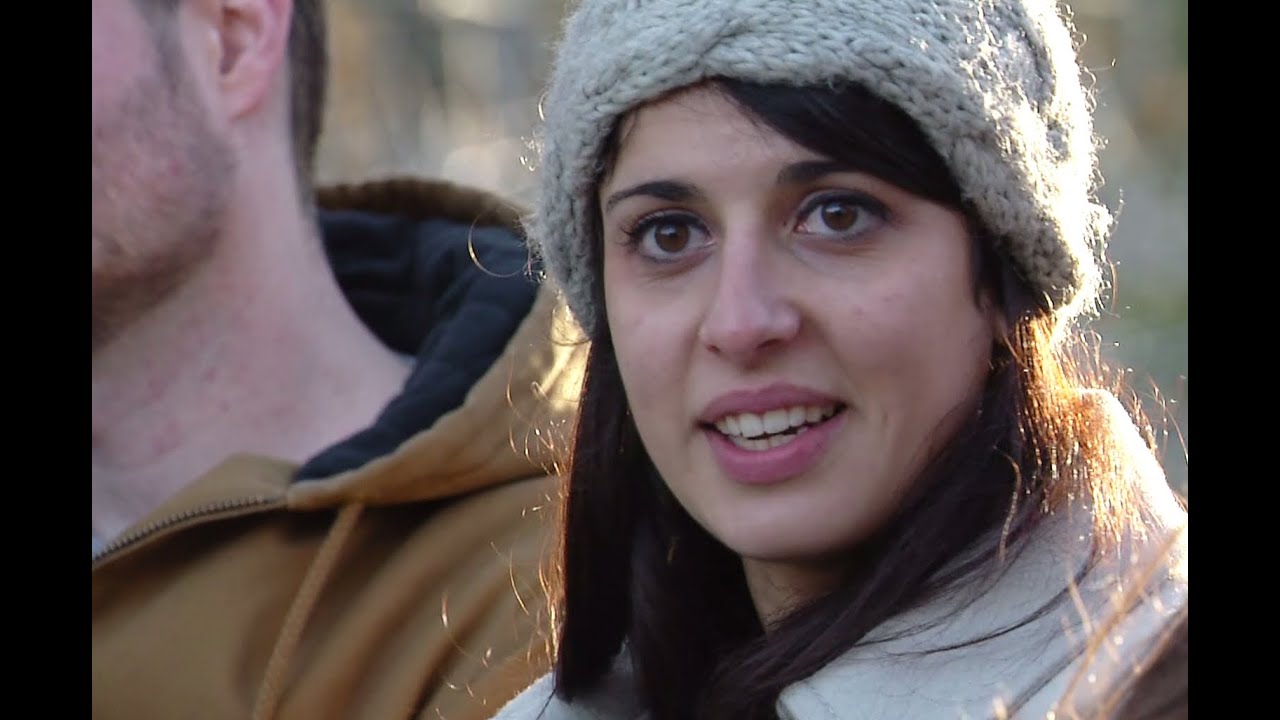
"We learn how to apply our scientific knowledge to society, legal treaties and European laws."
Anaïs (France)
What will you learn?
The programme offers a mix of theoretical courses, field work and laboratory work, in addition to your own Master project and a Conservation Internship.
Key insights
- Species conservation and management
- Habitat conservation
- Conservation genetics
- Restoration of degraded ecosystems
- Links and conflicts between conservation and society
- Various research methods
Courses
The programme includes a combination of mandatory courses, electives and research-focused modules. The entire first semester of the first year consists of compulsory courses. During this time, you'll decide on your optional courses as well as the subject for your Master project and Conservation Internship.
You are free to choose an elective course related to an other specialisation.
Research
During your two-year master, you will be trained in a variety of research methods, through both practical and theoretical courses as well as specific courses on skills relevant for conservation and restoration. Field work skills are trained during field courses and during the Conservation Internship.
You’ll conduct your Master thesis at one of the research groups of the Department of Biology, where you may join international collaborations, ongoing EU projects or long‑term ecological research initiatives, or at an external research institution. Explore the possible research topics.
After graduating
As a graduate, you’ll take on roles analysing policy and shaping decision-making in biodiversity conservation and restoration. Alumni often work with NGOs, consultancy firms, or governmental organisations. Another key path is research, with many graduates working at universities or research institutes, as well as teaching, inspiring the next generation of biologists.
Alumnus Daan Gyzels works as Specialist Nature and Green Spaces at his local municipality

Stay in touch?
Are you interested in the Master Biology: Biodiversity, Conservation and Restoration? We ensure that you receive all necessary information in your mailbox on time.
By registering, you agree to the data processing indicated in the privacy policy.