On this page, you can find more detailed reports on past events in the foldable sections below, with a photo gallery for each event available further down.
The second live meeting in Lisbon, Portugal
The three-day meeting brought together consortium partners at the University of Lisbon and surrounding field sites, combining scientific exchange, fieldwork, and collaborative planning. Day 1 opened with an introductory session, followed by an in-depth WP2 meeting focused on progress to date, completion of the indicator database, and discussions on data analysis and initial results. The day concluded with informal networking during a group dinner at Cinemateca.
Day 2 included a field visit to Herdade da Ribeira Abaixo, a state-owned property (c. 221 ha) serving as a field station of the University of Lisbon. Participants visited multiple pond-based NBS sites and, following lunch, continued discussions on methodologies and planned scientific publications before returning to Lisbon.
On the final day, sessions focused on cross-work package integration. WP1 (presented by Rashat Alibekov) and WP3 were discussed in the morning. This was followed by WP4, where Silvia Muñoz and Vincent Bellickx led a workshop on fuzzy cognitive mapping and stakeholder mapping, and WP5, ensuring alignment on next steps and project outputs.
The first live meeting in Antwerp, Belgium
The first in-person RECHARGE project meeting, held in Antwerp, Belgium, began with welcoming remarks from all participating members. This was followed by a comprehensive introductory presentation by the project coordinator, Prof. Dr. Jan Staes. His presentation revisited the main objectives, methodological frameworks, and expected deliverables of each work package (WP). The first day of the meeting featured detailed sessions on WP1, during which the teams were introduced to a developed impact assessment tool designed to quantify the effects of various ecosystem-based adaptations on the delivery of ecosystem services. The discussion then focused on the steps needed to adapt and apply this tool to the case study areas. Following this, the focus shifted to WP2, with an in-depth discussion on the selected methodology for analyzing delineated sampling sites.
The second day of the in-person meeting was dedicated to a field visit to the Belgian case study area - the Kleine Nete catchment. The visit was guided with the help of Eddy Vercammen, a highly experienced forester and long-time conservator of the Olens Broek nature reserve. Participants had the opportunity to observe the current condition of the site, learn about the history of past restoration efforts, and reflect on key lessons learned from those initiatives.
The third day of the meeting was dedicated to discussions on the remaining work packages, with a central focus on collaboration and engagement strategies with local communities, water managers, conservation organizations, and other key stakeholders. The session continued with an interactive causal loop diagram workshop, led by Vincent Bellinkx and Silvia Muñoz, and finished with a summary of key insights and reflections on the next steps for project implementation.
Gallery p.2
-
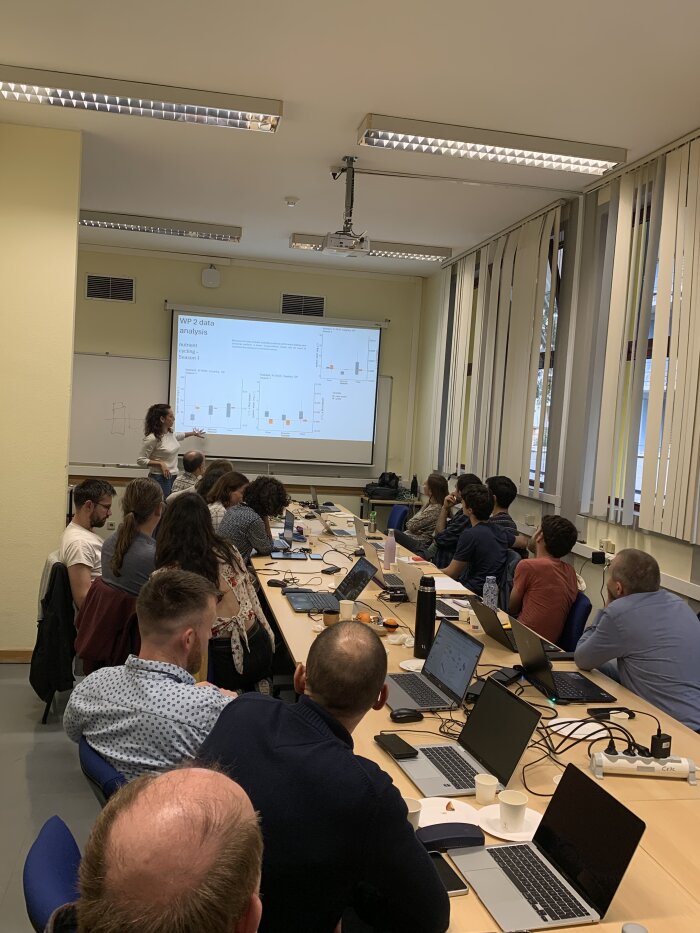 RECHARGE - presentation by Miriam Colls
 -
 RECHARGE - consortium in Herdade da Ribeira Abaixo
 -
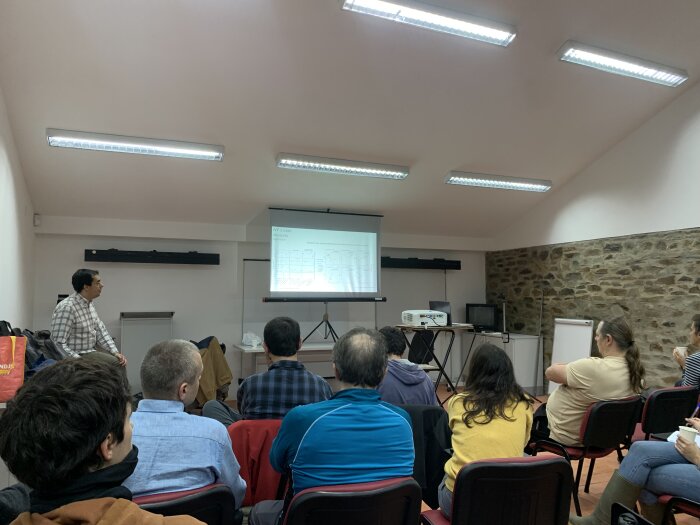 RECHARGE - presentation by Pedro Pinho


Gallery p.1
-
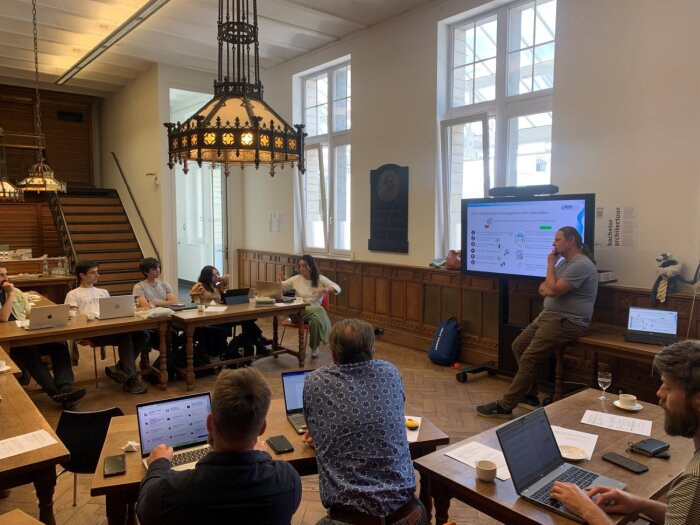 RECHARGE - presentation by Prof. Dr. Jan Staes
 -
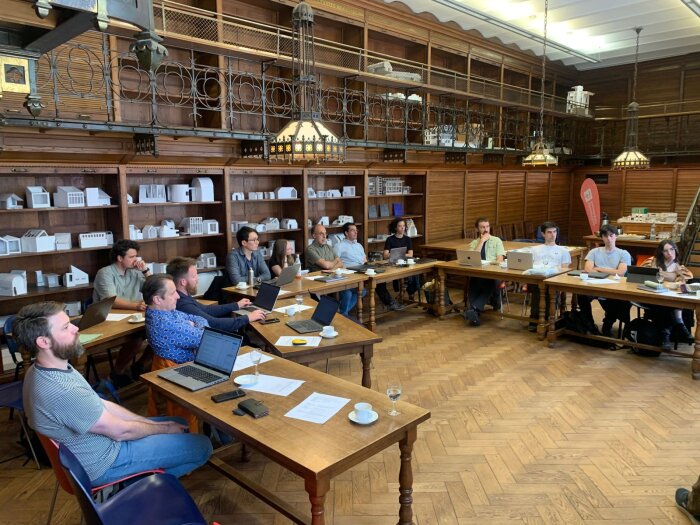 RECHARGE - WP1 session
 -
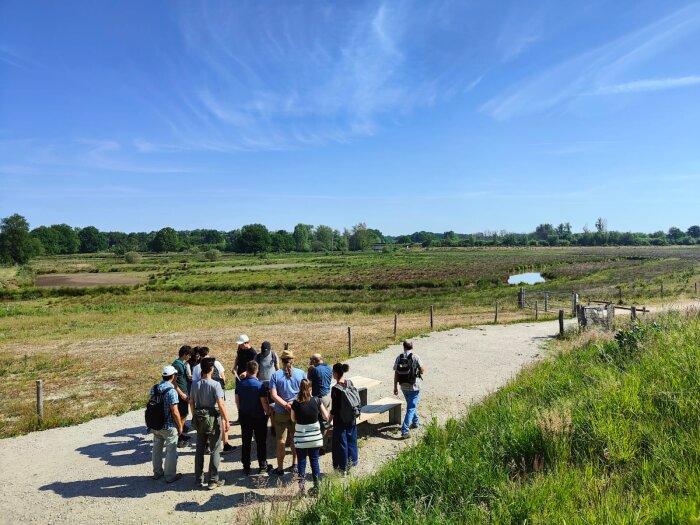 RECHARGE – Kleine Nete Catchment Field Visit
 -
 RECHARGE – Kleine Nete Catchment Field Visit
 -
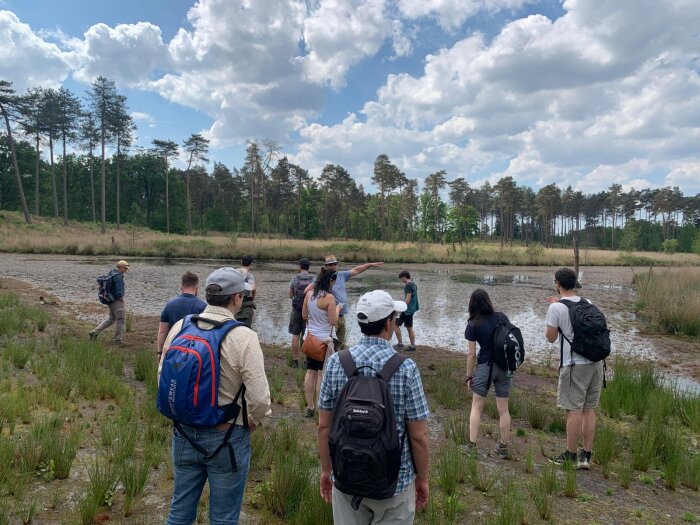 RECHARGE – Kleine Nete Catchment Field Visit
 -
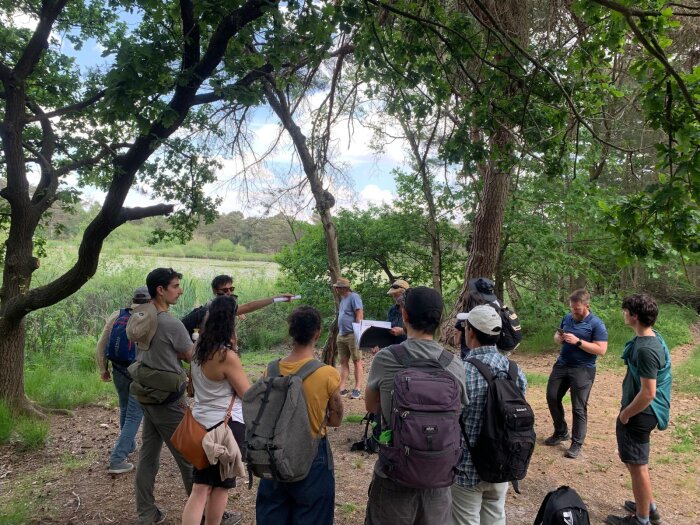 RECHARGE – Kleine Nete Catchment Field Visit
 -
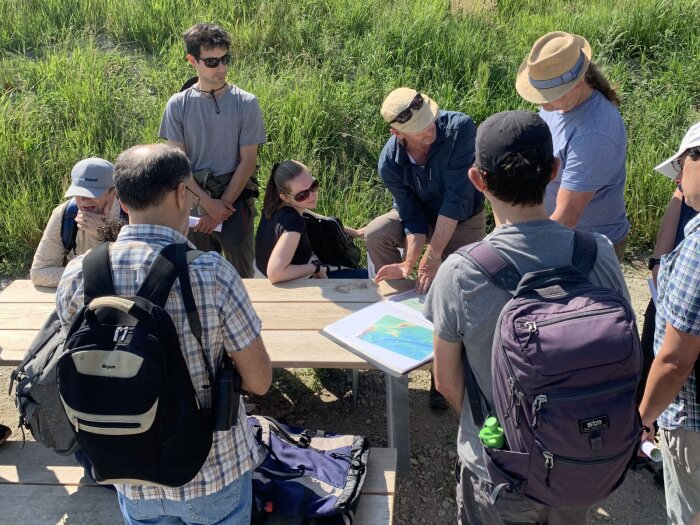 RECHARGE – Kleine Nete Catchment Field Visit


