-
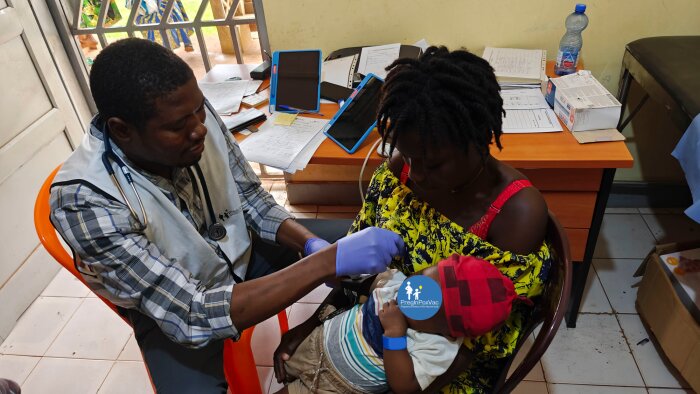 Mother and child during a doctor's appointment

The PregInPoxVac project, evaluating the safety and immunogenicity in of the MVA-BN® mpox vaccine for preventing mpox in pregnant women and infants, has reached a new important milestone. Following the successful completion of participant recruitment earlier this year, all participants enrolled in the trial have now received their scheduled doses of the vaccine. At the same time, construction has started on a new building at the study site in Boende, Democratic Republic of Congo, marking another important step in strengthening local research capacity.
After completing recruitment in January 2026, with 362 pregnant women and 344 infants enrolled across the trial, the research team continued administering the two-dose MVA-BN® vaccination schedule. As of 18 June 2026, all study participants have received their vaccinations, bringing the trial into its next phase.
Solange Milolo (Study Coordinator in Boende, DRC - UNIKIN): “Reaching this milestone is a tremendous achievement for the entire PregInPoxVac team. It reflects months of hard work, resilience, and close collaboration with the local communities, healthcare workers, and participating families. One of the greatest challenges was building and maintaining community trust in the face of misinformation, vaccine hesitancy, and the logistical constraints of conducting a large clinical trial in a remote setting. Despite these challenges, the commitment of our team and the confidence of the participants enabled us to successfully complete vaccination of all enrolled mothers and children. As we move into the next phase, we look forward to following the participants and generating robust scientific evidence on the safety, immunogenicity, and durability of the MVA-BN® vaccine. We hope these findings will contribute to future vaccination recommendations for pregnant women and young children in mpox-endemic countries while strengthening clinical research capacity in the Democratic Republic of the Congo.”
All pregnant women enrolled in the study have now given birth. Mother–infant pairs will continue to be followed for just over one year after delivery, allowing researchers to monitor both short- and longer-term health outcomes. The infant cohort already completed vaccination last winter and will finish follow-up by the end of 2026, meaning the first study results are expected early 2027. The PregInPoxVac study itself is scheduled to conclude in the summer of 2027, once every mother and child enrolled during pregnancy have completed their one-year follow-up, marking the end of data collection for the trial.
While the trial has continued to progress, so too has the research site itself. Construction is well underway for a new building in Boende, providing additional laboratory facilities, office space and infrastructure to support the PregInPoxVac project. Beyond the current trial, the new facilities will strengthen local capacity for future clinical research thanks to the generous funding of the new building by CEPI.
-
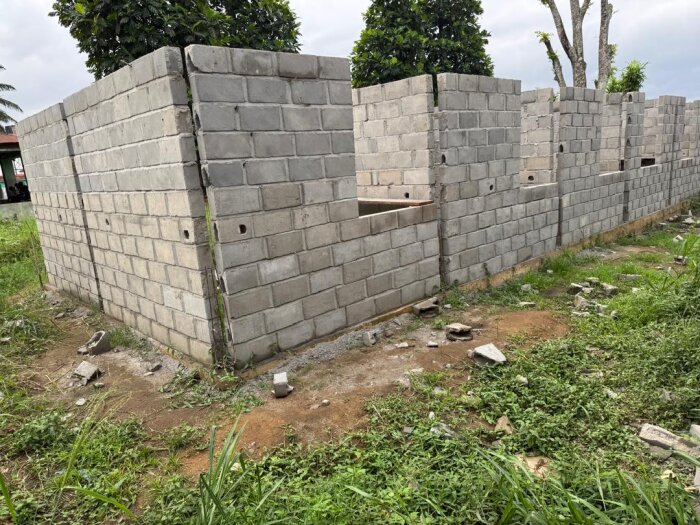 Foundations for a new building at the study site in Boende, DRC
 -
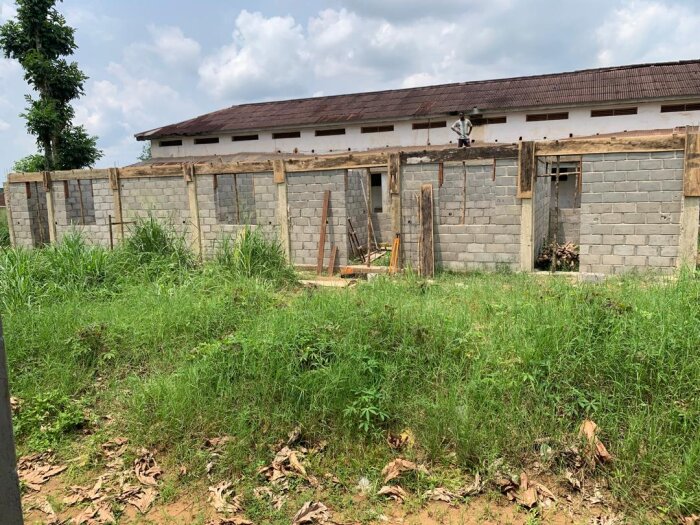 Foundations for a new building at the study site in Boende, DRC


Prof. Patrick Mitashi Mulopo (Principal Investigator, UNIKIN): "This investment is important beyond PregInPoxVac because it will establish a sustainable molecular diagnostic and research platform in Boende, a region that has historically faced recurrent outbreaks but has had very limited local laboratory capacity. For decades, samples from suspected mpox cases in Boende have had to be transported to Kinshasa for confirmation - a process frequently affected by cancelled or irregular flights, long transport times, and delays in communicating results. Local diagnostic capacity could substantially shorten the time to laboratory confirmation and support faster public-health decision-making."
"The infrastructure could also be adapted to detect other pathogens of epidemic importance, such as measles, Ebola and other viral haemorrhagic fevers, arboviruses and cholera, reducing dependence on Kinshasa and strengthening regional preparedness. It will also create opportunities to train laboratory technicians, clinicians and researchers, and could facilitate future clinical trials and surveillance work. Ultimately, the facility could become an important regional hub for infectious-disease diagnosis, research and epidemic preparedness."
As the project enters this final phase, the focus shifts from vaccination to long-term follow-up and generating the evidence needed to guide future mpox vaccination strategies for pregnant women and young children. With continued dedication of the team, the PregInPoxVac project has remained on track for timely completion. With participant follow-up ongoing and the new research facilities taking shape in Boende, the project continues to generate valuable evidence while strengthening the capacity for future healthcare activities in the region.
The consortium expresses its gratitude to EDCTP and CEPI for funding this project.
-
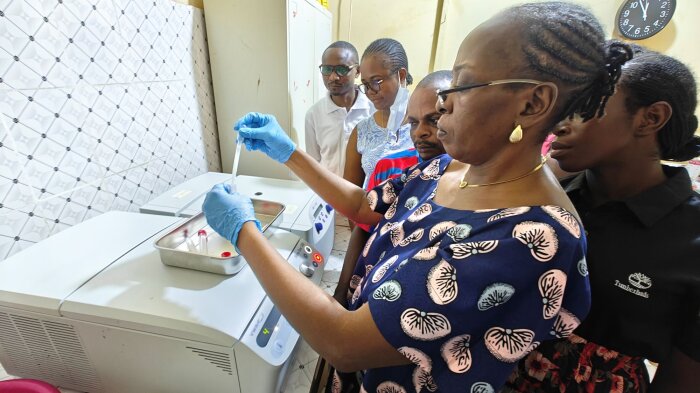 Handling samples at the Boende study site
 -
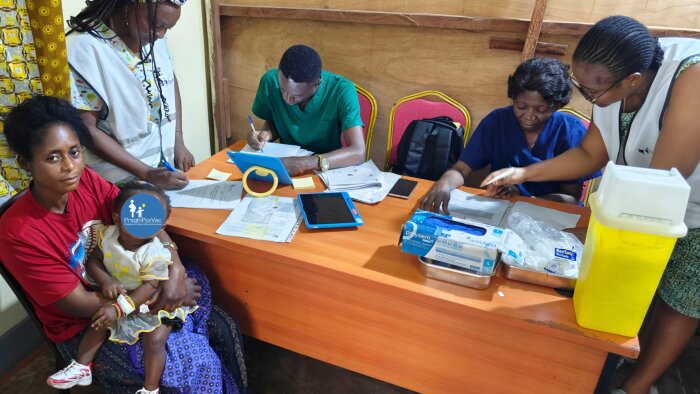 Mother and child at a study appointment
 -
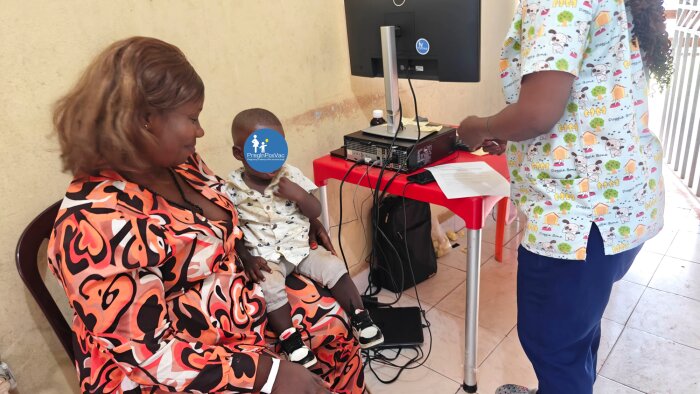 Mother and child during a doctor's appointment


